Step 01
ICP Definition
Structured definition of ideal customer profile — firmographic criteria, technographic signals, buying committee composition, and disqualification parameters documented before prospect identification commences.

LEAD GENERATION SERVICES
Structured outbound demand generation including ICP definition, prospect identification, multi-channel outreach, and integrated meeting handoff. Performance is measured against qualified meetings booked rather than message volume. Engagements are operated by senior outbound practitioners.
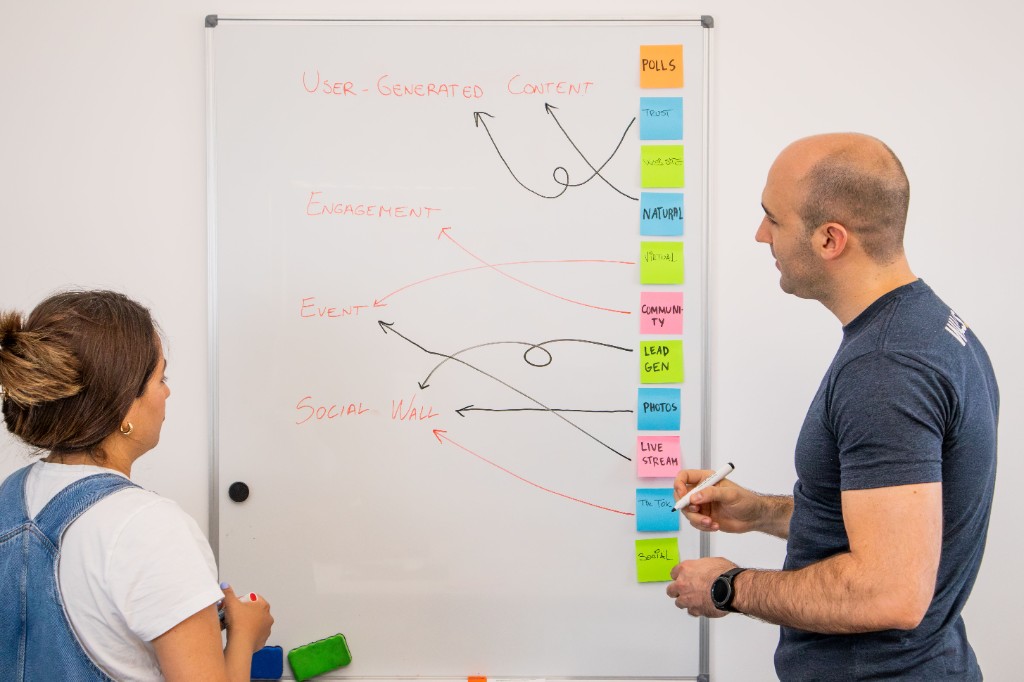
A recurring pattern across B2B organizations that have engaged prior outbound providers: high message volume, limited qualified meetings, and pipeline that fails to convert at forecasted rates. Outreach campaigns are measured against sends, opens, and reply counts — while commercial leadership evaluates success against pipeline creation and revenue contribution.
The diagnostic is consistent. ICP definition remains superficial. Prospect lists are assembled without sufficient qualification criteria. SDR ramp periods extend without producing reliable meeting quality. Outreach sequences prioritize volume over relevance. Conversion from activity to qualified pipeline remains structurally low.
Pipeline quality consistently outperforms outreach volume as a predictor of commercial outcomes.
Organizations that have experienced a failed or underperforming outbound engagement require a different operating model — one that defines success against qualified meetings booked, sequences ICP validation before campaign scale, and assigns senior practitioners accountable for meeting quality rather than activity metrics.
ENGAGEMENT FRAMEWORK
A six-stage demand generation framework — from ICP definition through qualified meeting handoff with full context and CRM continuity.
Structured definition of ideal customer profile — firmographic criteria, technographic signals, buying committee composition, and disqualification parameters documented before prospect identification commences.
Qualified prospect lists assembled against documented ICP criteria. List quality validated through sample review and stakeholder sign-off prior to outreach sequence development.
Multi-touch sequences developed per channel — messaging aligned to ICP pain points, value propositions, and objection handling. Copy reviewed and approved by client stakeholders before execution.
Structured campaign launch across selected channels with deliverability monitoring, response handling, and daily activity reporting against qualified meeting targets rather than message volume.
Prospect responses evaluated against documented qualification criteria. Meetings scheduled only when prospect fit, authority, need, and timeline criteria are satisfied per agreed definition.
Qualified meetings transferred to client sales personnel with full context — outreach history, qualification notes, and recommended next actions. CRM records updated and continuity maintained across the engagement.
Channel 01
Indicative qualified response range
2–4%
Structured email sequences with personalization at the account and role level. Deliverability infrastructure managed with SPF, DKIM, and DMARC compliance.
Operational considerations
Sending volume calibrated to domain reputation. Warm-up protocols applied for new sending infrastructure. Response handling integrated with qualification workflow.
Channel 02
Indicative qualified response range
5–8%
Connection requests and direct messaging sequences operated through established practitioner accounts. Messaging aligned to ICP and value proposition documentation.
Operational considerations
Account safety protocols limit daily connection and message volume. Sequences structured to maintain account standing while sustaining outreach continuity.
Channel 03
Indicative qualified response range
3–6%
Structured calling campaigns against qualified prospect lists. Practitioners trained on ICP qualification criteria and objection handling prior to campaign launch.
Operational considerations
Calling hours aligned to prospect time zones. Call recordings and disposition notes maintained for qualification audit and handoff documentation.
Channel 04
India operations
8–12%
WhatsApp Business outreach for India-market prospect engagement. Messaging sequences adapted to regional communication norms and response patterns.
Operational considerations
Operated through verified WhatsApp Business accounts. Compliance with regional messaging regulations and opt-out requirements maintained throughout engagement.
FIRST THIRTY DAYS
The opening month of a lead generation engagement — structured milestones from strategy alignment through campaign launch and meeting qualification.
Qualified meetings are typically delivered during Weeks 3–4.

CLIENT SUCCESS STORY · B2B SOFTWARE · NEW YORK, 2026
A B2B software company operating in the enterprise productivity segment required structured outbound demand generation without the overhead of building an internal SDR function. Prior outbound engagements had produced high activity volume with limited qualified pipeline contribution. Dharwin implemented a six-stage engagement framework — ICP definition, prospect list development, multi-channel outreach, meeting qualification, and integrated CRM handoff — measured against qualified meetings booked rather than message volume.
Pricing available upon consultation.
Monthly engagement costs are generally comparable to the fully loaded cost of a single internal SDR.
Dharwin structures lead generation engagements as monthly retainers scoped against channel selection, prospect list scale, and qualified meeting targets. Commercial terms are presented in writing following the strategy consultation — no engagement proceeds without client approval of scope, targets, and fee structure.
Initial engagements require a three-month commitment to allow ICP validation, sequence optimization, and reliable meeting delivery. Following the initial engagement period, pay-per-qualified-meeting commercial structures become available for organizations that prefer outcome-aligned pricing.

Outreach copy is developed collaboratively during the sequence development phase. Dharwin drafts messaging aligned to documented ICP pain points and value propositions. Client stakeholders review and approve all sequences before campaign launch. Approved messaging remains client property and is documented in the engagement scope.
Dharwin configures and manages sending infrastructure — domain setup, mailbox provisioning, warm-up protocols, and volume calibration. Infrastructure may operate on client-owned domains or Dharwin-managed sending environments, depending on engagement requirements and deliverability considerations documented during scoping.
Deliverability configuration is included in the engagement scope. SPF, DKIM, and DMARC records are configured and validated prior to campaign launch. Ongoing deliverability monitoring is conducted throughout the engagement, with volume adjustments applied when reputation indicators require intervention.
Compliance frameworks are applied based on prospect geography and channel selection. GDPR requirements — including lawful basis documentation, opt-out mechanisms, and data processing agreements — are addressed for European prospect engagement. CAN-SPAM compliance — including identification, opt-out, and physical address requirements — is maintained for United States outreach.
Performance targets are defined during the strategy consultation and documented in the engagement scope. If qualified meeting delivery falls below agreed targets during the initial engagement period, Dharwin conducts a structured performance review — evaluating ICP fit, sequence effectiveness, channel allocation, and list quality. Remediation actions are scoped and executed under existing engagement terms.
Yes. Dharwin operates within client CRM environments — Salesforce, HubSpot, Zoho, and Microsoft Dynamics among supported platforms. Prospect records, activity logging, meeting scheduling, and handoff documentation are maintained within the client's existing CRM infrastructure throughout the engagement.
Qualified meeting criteria are defined collaboratively during the strategy consultation and documented in the engagement scope. Criteria typically include firmographic fit against ICP, decision-maker authority, stated need alignment, and timeline indication. Meetings are validated against documented criteria prior to handoff. Disputed qualifications are reviewed against outreach records and qualification notes.
Schedule a complimentary strategy consultation to review target markets, pipeline objectives, outbound challenges, and engagement fit.